
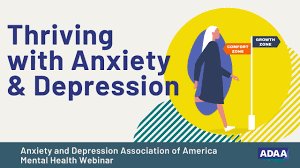
In today’s fast-paced world, mental health challenges are rising at an alarming rate. Anxiety and depression are no longer silent struggles hidden in the shadows—they are global health concerns affecting millions of people across all ages, cultures, and backgrounds. This is a powerful call for anxiety and depression awareness: to break the stigma, encourage open conversations, and ensure that no one suffers in silence.
Understanding Anxiety and Depression
Anxiety and depression are among the most common mental health disorders worldwide. According to the World Health Organization, hundreds of millions of people experience these conditions, making them leading causes of disability globally.
What Is Anxiety?
Anxiety is more than occasional worry or stress. It can present as:
- Persistent fear or nervousness
- Rapid heartbeat
- Restlessness or difficulty concentrating
- Sleep disturbances
- Panic attacks
For some individuals, anxiety disorders can interfere with work, relationships, and daily functioning.
What Is Depression?
Depression is not simply “feeling sad.” It is a serious mood disorder characterized by:
- Persistent sadness or emptiness
- Loss of interest in activities
- Fatigue or low energy
- Changes in appetite or sleep
- Feelings of worthlessness or hopelessness
Left untreated, depression can significantly impact quality of life and, in severe cases, lead to suicidal thoughts.
Why Anxiety & Depression Awareness Matters
1. Breaking the Stigma
One of the biggest barriers to mental health support is stigma. Many people hesitate to seek help due to fear of judgment or misunderstanding. Awareness campaigns help normalize mental health conversations and reinforce that anxiety and depression are medical conditions—not personal weaknesses.
2. Encouraging Early Intervention
Early detection and treatment can dramatically improve outcomes. Awareness helps individuals recognize symptoms sooner and seek professional help before conditions worsen.
3. Saving Lives
Suicide prevention is closely linked to depression awareness. Organizations like the National Alliance on Mental Illness and the Anxiety and Depression Association of America work tirelessly to provide education, support resources, and advocacy to reduce suicide rates and promote recovery.
The Growing Mental Health Crisis
Modern life brings constant pressures—social media comparison, financial stress, job insecurity, academic competition, and global uncertainties. These factors contribute to rising anxiety and depression rates among:
- Teenagers and young adults
- Working professionals
- Parents
- Seniors
The COVID-19 pandemic further intensified feelings of isolation and uncertainty, increasing global mental health challenges.
This powerful call for anxiety and depression awareness reminds us that mental health deserves the same priority as physical health.
Recognizing the Warning Signs
Awareness begins with recognizing symptoms in ourselves and others. Watch for:
- Withdrawal from friends and family
- Sudden mood changes
- Decline in performance at work or school
- Expressions of hopelessness
- Increased substance use
If these signs persist for more than two weeks, it may be time to seek professional help.
How to Support Someone Struggling
If someone you care about is experiencing anxiety or depression:
- Listen without judgment.
- Encourage professional help.
- Offer consistent support.
- Educate yourself about mental health.
Sometimes, simply saying “I’m here for you” can make a significant difference.
Treatment and Recovery Are Possible
The good news is that anxiety and depression are treatable. Treatment options may include:
- Therapy (such as cognitive-behavioral therapy)
- Medication
- Lifestyle changes (exercise, sleep hygiene, balanced nutrition)
- Support groups
With the right combination of care, many individuals lead fulfilling, productive lives.
Promoting Mental Health in Daily Life
Awareness is not just about recognizing illness—it’s about promoting wellness. You can protect your mental health by:
- Practicing mindfulness or meditation
- Staying physically active
- Maintaining social connections
- Setting healthy boundaries
- Seeking help when needed
Mental health is a journey, not a destination.
A Collective Responsibility
Creating a mentally healthy society requires collective effort—from schools and workplaces to governments and communities. Policies that increase access to affordable mental healthcare, workplace wellness programs, and mental health education initiatives are crucial steps forward.
This powerful call for anxiety and depression awareness urges individuals, families, educators, employers, and leaders to take action.
Final Thoughts
Anxiety and depression do not discriminate. They can affect anyone at any time. By spreading awareness, reducing stigma, and encouraging open conversations, we create a culture where seeking help is seen as strength—not weakness.
If you or someone you know is struggling, remember: help is available, recovery is possible, and you are not alone.
Let this be more than an article—let it be a movement toward compassion, understanding, and lasting mental health change.