
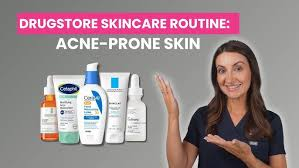
Acne is one of the most common skin conditions worldwide, affecting teenagers and adults alike. Whether you’re dealing with occasional breakouts or persistent cystic acne, understanding the right acne treatment options can transform your skin—and your confidence.
In this ultimate guide, we’ll explore the causes of acne, the most effective treatments, dermatologist-recommended ingredients, and lifestyle changes that help you achieve clearer, healthier skin at any age.
What Is Acne?
Acne is a skin condition that occurs when hair follicles become clogged with oil (sebum), dead skin cells, and bacteria. It can appear as:
- Whiteheads
- Blackheads
- Papules
- Pustules
- Nodules
- Cystic lesions
Acne most commonly affects the face, chest, back, and shoulders.
What Causes Acne?
Understanding the root cause of acne is essential for choosing the best treatment.
1. Excess Oil Production
Hormonal changes—especially during puberty, menstruation, pregnancy, or stress—can increase oil production.
2. Clogged Pores
Dead skin cells that don’t shed properly can block pores.
3. Bacteria
The bacterium Cutibacterium acnes contributes to inflammation and breakouts.
4. Hormonal Imbalances
Conditions like polycystic ovary syndrome (PCOS) can trigger adult acne.
5. Diet & Lifestyle Factors
High-glycemic foods, dairy, stress, and lack of sleep may worsen acne in some individuals.
Acne Treatment Options: What Really Works?
The best acne treatment depends on your skin type and severity of breakouts. Here are the most effective options:
1. Over-the-Counter (OTC) Acne Treatments
Mild to moderate acne often responds well to non-prescription treatments.
Salicylic Acid
- Unclogs pores
- Reduces inflammation
- Best for blackheads and whiteheads
Benzoyl Peroxide
- Kills acne-causing bacteria
- Reduces redness and swelling
- Effective for inflammatory acne
Retinoids (Adapalene)
Products like Differin (adapalene) promote cell turnover and prevent clogged pores.
2. Prescription Acne Medications
For moderate to severe acne, dermatologists may recommend:
Topical Retinoids
Stronger versions improve cell turnover and prevent scarring.
Oral Antibiotics
Reduce bacteria and inflammation (short-term use only).
Hormonal Therapy
Birth control pills or spironolactone may help women with hormonal acne.
Isotretinoin
For severe cystic acne, isotretinoin (commonly known by the brand name Accutane) can dramatically reduce oil production and prevent permanent scarring.
3. Professional Dermatological Treatments
If at-home treatments aren’t enough, consider:
- Chemical peels
- Laser therapy
- Light therapy
- Cortisone injections
- Professional extractions
These treatments can accelerate healing and reduce scarring.
Acne Treatment by Age
Acne isn’t just a teenage problem. Let’s break it down by age group.
Teenage Acne Treatment
Hormones are the primary cause. A simple routine works best:
- Gentle cleanser (twice daily)
- Oil-free moisturizer
- Sunscreen (non-comedogenic)
- Spot treatment with benzoyl peroxide
Consistency is key.
Adult Acne Treatment (20s–30s)
Often hormonal or stress-related.
- Add retinoids to your nighttime routine
- Consider hormonal therapy if needed
- Use gentle exfoliation (1–2 times weekly)
- Avoid over-drying the skin
Acne in Your 40s and Beyond
Skin becomes more sensitive and drier.
- Focus on hydration
- Use mild retinoids
- Avoid harsh scrubs
- Consult a dermatologist for personalized treatment
Natural Remedies for Acne: Do They Work?
Some natural remedies may support acne treatment, but they are usually complementary rather than primary solutions.
Tea Tree Oil
Has antibacterial properties; dilute before applying.
Aloe Vera
Soothes inflammation.
Zinc Supplements
May reduce inflammation in some individuals.
Always patch-test natural remedies before use.
Best Skincare Routine for Acne-Prone Skin
Here’s a dermatologist-approved daily routine:
Morning
- Gentle cleanser
- Lightweight moisturizer
- Sunscreen (SPF 30+)
Evening
- Cleanser
- Treatment product (retinoid or benzoyl peroxide)
- Moisturizer
Avoid over-washing and harsh scrubbing, which can worsen inflammation.
How to Prevent Acne Breakouts
Prevention is just as important as treatment.
- Keep hands off your face
- Wash pillowcases weekly
- Remove makeup before bed
- Manage stress
- Follow a balanced, low-glycemic diet
- Stay hydrated
When to See a Dermatologist
You should consult a dermatologist if:
- Acne is painful or cystic
- OTC treatments haven’t worked after 8–12 weeks
- You’re developing scars
- Acne is affecting your mental health
Early treatment can prevent long-term skin damage.
Common Acne Treatment Mistakes
Avoid these common errors:
- Using too many active ingredients at once
- Skipping sunscreen
- Over-exfoliating
- Popping pimples
- Expecting overnight results
Clear skin takes patience and consistency.
Final Thoughts: Clear Skin Is Possible at Any Age
Acne treatment is not one-size-fits-all. The key to clearer, healthier skin lies in understanding your skin type, identifying triggers, and choosing evidence-based treatments.
From salicylic acid to prescription options like Accutane, there are effective solutions available for every age and severity level.
If you stay consistent, protect your skin barrier, and seek professional help when needed, achieving clear skin is absolutely possible—no matter your age.
Ready to take control of your skin? Start with a simple routine, stay patient, and give your treatment time to work. Your healthiest skin is within reach.