
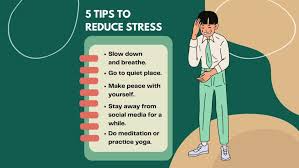
In today’s fast-paced world, stress has become a common part of daily living. From work deadlines to personal responsibilities, managing pressure effectively is essential for maintaining both physical and mental well-being. While stress cannot always be avoided, it can be managed with practical, proven strategies. This guide explores effective stress management techniques you can incorporate into your everyday life.
Understanding Stress and Its Impact
Stress is the body’s natural response to challenges or demands. Short-term stress can improve focus and performance. However, chronic stress can negatively impact health, leading to anxiety, fatigue, high blood pressure, and weakened immunity.
According to the American Psychological Association, prolonged stress affects not only mental health but also increases the risk of serious medical conditions such as heart disease and depression.
Recognizing early signs of stress—such as irritability, sleep disturbances, and difficulty concentrating—is the first step toward managing it effectively.
1. Prioritize Time Management
Poor time management is a major contributor to daily stress. When tasks pile up, feelings of overwhelm intensify.
Practical tips:
- Create a daily task list.
- Break large tasks into smaller steps.
- Use productivity methods like the Pomodoro Technique.
- Set realistic deadlines.
By organizing your day, you reduce uncertainty and gain a sense of control, which significantly lowers stress levels.
2. Practice Mindfulness and Meditation
Mindfulness involves focusing on the present moment without judgment. Even a few minutes of meditation each day can calm the nervous system and reduce anxiety.
Research published by Mayo Clinic suggests that mindfulness meditation may help manage stress, improve sleep, and enhance emotional health.
Simple mindfulness exercise:
- Sit comfortably.
- Focus on your breathing.
- Gently return your attention when your mind wanders.
- Practice for 5–10 minutes daily.
3. Maintain Regular Physical Activity
Exercise is one of the most effective stress-relief tools. Physical activity releases endorphins—natural mood boosters that promote relaxation.
You don’t need intense workouts. Consider:
- 30-minute brisk walks
- Yoga sessions
- Stretching routines
- Cycling or swimming
Consistency matters more than intensity. Even moderate movement can significantly reduce stress hormones.
4. Improve Sleep Quality
Lack of sleep intensifies stress and reduces emotional resilience. Aim for 7–9 hours of quality sleep per night.
Healthy sleep habits include:
- Keeping a consistent bedtime
- Limiting screen time before bed
- Avoiding caffeine late in the day
- Creating a relaxing bedtime routine
Good sleep restores mental clarity and improves your ability to handle daily challenges.
5. Build Strong Social Connections
Humans are social beings. Sharing concerns with trusted friends or family members can ease emotional burdens.
Strong relationships:
- Provide emotional support
- Offer new perspectives
- Reduce feelings of isolation
Even brief conversations can improve mood and lower stress levels.
6. Set Healthy Boundaries
Many people experience stress because they struggle to say no. Overcommitting leads to exhaustion and resentment.
Learn to:
- Politely decline additional responsibilities
- Delegate tasks when possible
- Protect personal time
Setting boundaries is not selfish—it is essential for mental well-being.
7. Adopt Healthy Coping Mechanisms
Avoid unhealthy stress responses such as overeating, excessive alcohol consumption, or procrastination.
Instead, try:
- Journaling your thoughts
- Listening to calming music
- Practicing deep breathing exercises
- Engaging in creative hobbies
Replacing harmful habits with positive coping strategies strengthens long-term resilience.
8. Practice Gratitude Daily
Focusing on what you’re grateful for shifts attention away from stressors. Studies suggest gratitude improves mood and overall life satisfaction.
Keep a gratitude journal and write down three things you appreciate each day. This simple practice can gradually reframe your mindset toward positivity.
9. Seek Professional Support When Needed
If stress becomes overwhelming or persistent, professional help may be necessary. Mental health professionals can provide structured coping tools and therapy options tailored to individual needs.
Organizations like the National Institute of Mental Health offer valuable information and resources for managing stress and related conditions.
Seeking help is a sign of strength, not weakness.
Long-Term Benefits of Effective Stress Management
When you consistently practice stress management strategies, you may experience:
- Improved mental clarity
- Better emotional stability
- Stronger immune function
- Increased productivity
- Healthier relationships
Over time, small daily habits create significant improvements in overall well-being.
Final Thoughts
Effective stress management in everyday life doesn’t require drastic changes. Simple, consistent practices—such as better time management, regular exercise, mindfulness, quality sleep, and strong social connections—can dramatically reduce stress levels.
By taking proactive steps today, you build resilience for tomorrow. Start small, stay consistent, and prioritize your mental health as much as your physical health.
Managing stress isn’t about eliminating challenges—it’s about equipping yourself with the tools to handle them confidently and calmly.
Is this conversation helpful so far?