
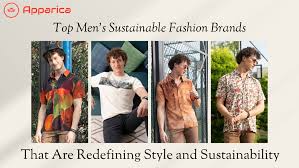
In a world dominated by rapidly changing trends and mass production, slow fashion is emerging as a powerful movement that redefines style through sustainability, ethics, and mindful consumption. As consumers grow more aware of environmental issues and labor rights, slow fashion offers a responsible and purposeful alternative to fast fashion.
This article explores what slow fashion is, why it matters, and how you can embrace it to build a timeless, sustainable wardrobe.
What Is Slow Fashion?
Slow fashion is a movement that prioritizes quality over quantity, ethical production, and environmental responsibility. Unlike fast fashion—which mass-produces inexpensive clothing at high speed—slow fashion focuses on:
- Sustainable materials
- Fair wages and safe working conditions
- Durable, high-quality garments
- Transparent supply chains
- Timeless designs rather than fleeting trends
The concept was inspired by the broader slow movement, much like the ideas popularized in books such as In Praise of Slow by Carl Honore, which advocates for a more mindful and deliberate approach to modern living.
Slow Fashion vs. Fast Fashion: What’s the Difference?
Understanding the difference between slow and fast fashion helps clarify why the movement is gaining momentum.
Fast Fashion
Fast fashion brands produce large volumes of clothing quickly and cheaply. Retail giants like Zara and H&M are often associated with this model, releasing new collections multiple times per season to keep up with ever-changing trends.
Key characteristics:
- Low-cost production
- Trend-driven designs
- Short garment lifespan
- High environmental impact
Slow Fashion
In contrast, slow fashion emphasizes sustainability and longevity.
Key characteristics:
- Limited production runs
- Ethical labor practices
- Eco-friendly fabrics
- Long-lasting, versatile designs
The result? A wardrobe built to last, not to be discarded after a few wears.
Why Slow Fashion Matters
1. Environmental Impact
The fashion industry is one of the largest contributors to pollution worldwide. Mass production consumes enormous amounts of water, energy, and raw materials while generating textile waste and carbon emissions.
Slow fashion reduces environmental damage by:
- Using organic or recycled materials
- Supporting local production
- Minimizing waste
- Encouraging garment repair and reuse
2. Ethical Labor Practices
Many fast fashion factories operate in developing countries where workers face low wages and unsafe conditions. The tragic collapse of the Rana Plaza building in 2013 highlighted the human cost of cheap clothing and sparked global conversations about ethical sourcing.
Slow fashion brands prioritize:
- Fair wages
- Safe working environments
- Transparent supply chains
3. Financial Mindfulness
While slow fashion pieces may cost more upfront, they often save money over time. High-quality clothing lasts longer, reducing the need for constant replacement.
Key Principles of Slow Fashion
To better understand slow fashion, consider these core principles:
✔ Quality Over Quantity
Invest in fewer, well-made pieces that stand the test of time.
✔ Timeless Design
Choose classic styles that remain relevant season after season.
✔ Sustainable Materials
Look for organic cotton, linen, hemp, Tencel, or recycled fabrics.
✔ Transparency
Support brands that openly share their production processes and sourcing information.
✔ Circular Fashion
Embrace resale, repair, upcycling, and clothing swaps to extend garment life cycles.
How to Build a Slow Fashion Wardrobe
Transitioning to slow fashion doesn’t require throwing out your current wardrobe. Instead, it’s about making smarter choices moving forward.
1. Audit Your Closet
Identify what you wear regularly and what you don’t. Donate or resell items you no longer need.
2. Invest in Capsule Wardrobes
Create a capsule wardrobe with versatile essentials—neutral tops, durable denim, quality outerwear, and classic footwear.
3. Research Brands Carefully
Choose brands committed to sustainability, ethical practices, and transparent supply chains.
4. Buy Less, Choose Well
Before purchasing, ask yourself:
- Will I wear this at least 30 times?
- Is it made from sustainable materials?
- Does it align with my personal style?
5. Care for Your Clothes
Wash in cold water, air dry when possible, and repair minor damages to extend garment life.
The Rise of Conscious Consumers
Millennials and Gen Z consumers are driving the slow fashion movement. Social media, documentaries, and environmental activism have made sustainability a priority in purchasing decisions.
Influencers, designers, and activists are encouraging mindful consumption and responsible production—proving that style and sustainability can coexist.
Benefits of Embracing Slow Fashion
Adopting slow fashion offers multiple long-term benefits:
- Reduced environmental footprint
- Support for ethical labor practices
- Stronger personal style identity
- Higher-quality wardrobe
- Less clutter and waste
Slow fashion isn’t just about clothing—it’s about redefining our relationship with consumption.
The Future of Fashion Is Slow
As climate concerns grow and consumers demand transparency, slow fashion is becoming more than a niche trend—it’s a necessary evolution of the industry.
Brands that adapt to sustainable models are likely to thrive, while those clinging to exploitative, wasteful systems may struggle to survive in an increasingly conscious marketplace.