
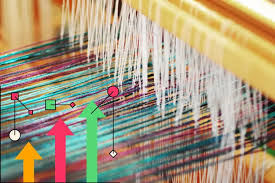
In a world increasingly aware of climate change and environmental degradation, the fashion and textile industries are undergoing a powerful transformation. At the heart of this shift lies sustainable fabrics—materials designed to reduce environmental impact, promote ethical labor practices, and support a circular economy. From innovative plant-based textiles to regenerated fibers made from waste, sustainable fabrics are weaving a greener future through ethical innovation.
What Are Sustainable Fabrics?
Sustainable fabrics are textiles produced with minimal environmental harm and a strong focus on social responsibility. Unlike conventional materials that rely heavily on fossil fuels, pesticides, and excessive water use, eco-friendly fabrics prioritize:
- Renewable or recycled raw materials
- Reduced carbon emissions
- Lower water and chemical consumption
- Fair labor practices
- Biodegradability or recyclability
These fabrics support a cleaner, more responsible fashion ecosystem while meeting consumer demand for ethical products.
Why Sustainable Fabrics Matter
The global fashion industry is one of the largest polluters in the world. According to the United Nations, the fashion sector accounts for a significant portion of global carbon emissions and wastewater production. Conventional cotton farming, synthetic fiber production, and textile dyeing processes all contribute to environmental damage.
Sustainable fabrics address these concerns by:
- Reducing greenhouse gas emissions
- Conserving water resources
- Minimizing toxic waste
- Supporting ethical working conditions
- Encouraging circular production systems
By switching to sustainable textiles, brands and consumers alike can reduce their ecological footprint.
Types of Sustainable Fabrics Transforming the Industry
1. Organic Cotton
Unlike conventional cotton, organic cotton is grown without harmful pesticides or synthetic fertilizers. It uses less water and promotes healthier soil ecosystems. Certified by organizations like the Global Organic Textile Standard, organic cotton ensures both environmental and social compliance.
Benefits:
- Biodegradable
- Skin-friendly
- Reduced soil and water contamination
2. Recycled Polyester (rPET)
Recycled polyester is made from post-consumer plastic bottles and textile waste. Instead of producing virgin polyester from petroleum, rPET reduces landfill waste and lowers carbon emissions.
Benefits:
- Diverts plastic waste
- Requires less energy than virgin polyester
- Durable and versatile
3. Tencel™ (Lyocell)
Tencel™, produced by Lenzing AG, is derived from sustainably sourced wood pulp. Its closed-loop manufacturing system recycles water and solvents, minimizing environmental impact.
Benefits:
- Breathable and moisture-wicking
- Biodegradable
- Produced in a low-impact process
4. Hemp Fabric
Hemp is one of the most sustainable crops available. It grows quickly, requires minimal water, and enriches soil health. Hemp fabric is durable, naturally antimicrobial, and biodegradable.
Benefits:
- Highly durable
- Naturally pest-resistant
- Requires fewer agricultural inputs
5. Piñatex®
Piñatex®, developed by Ananas Anam, is a plant-based leather alternative made from pineapple leaf fibers. It offers a cruelty-free, sustainable option to traditional leather.
Benefits:
- Utilizes agricultural waste
- Vegan-friendly
- Lower environmental footprint than leather
Ethical Innovation in Textile Production
Sustainable fabrics go beyond materials—they represent a systemic shift in production ethics and technological innovation. Brands are embracing:
- Closed-loop recycling systems
- Waterless dyeing technologies
- Blockchain transparency in supply chains
- Fair Trade certification standards
Innovative companies are leveraging biotechnology to create lab-grown fibers and bioengineered textiles, reducing reliance on animal products and petroleum-based synthetics.
The Role of Consumers in Driving Change
Today’s conscious consumers are shaping the future of fashion. By choosing garments made from sustainable fabrics, shoppers signal demand for responsible production practices. Look for certifications such as:
- GOTS (Global Organic Textile Standard)
- Fair Trade Certified
- OEKO-TEX® Standard 100
Supporting brands committed to transparency and sustainability encourages industry-wide transformation.
Challenges Facing Sustainable Textiles
While sustainable fabrics offer immense promise, challenges remain:
- Higher production costs
- Limited scalability
- Greenwashing concerns
- Consumer awareness gaps
To overcome these barriers, collaboration between governments, organizations, manufacturers, and consumers is essential.
The Future of Sustainable Fabrics
The future of sustainable textiles lies in innovation and circularity. Emerging technologies include:
- Mycelium-based leather alternatives
- Algae-based fibers
- Regenerative agriculture practices
- Textile-to-textile recycling systems
As investment in green technology grows, sustainable fabrics will become more accessible and affordable, paving the way for a low-impact fashion industry.
Conclusion: Weaving Responsibility Into Every Thread
Sustainable fabrics are more than a trend—they are a necessary evolution in how we design, produce, and consume clothing. By embracing eco-friendly materials and ethical innovation, the fashion industry can dramatically reduce its environmental footprint while promoting social equity.
As brands, policymakers, and consumers work together, sustainable textiles will continue to shape a greener, more responsible future—one thread at a time.
Keywords for SEO Optimization:
Sustainable fabrics, eco-friendly textiles, ethical fashion, organic cotton, recycled polyester, Tencel, hemp fabric, plant-based leather, circular fashion, green textile innovation, sustainable clothing materials.
If you’d like, I can also provide:
- Meta title & meta description
- Internal & external linking suggestions
- Schema markup
- Optimized URL slug
- Social media promotional copy
Do you like this personality?