
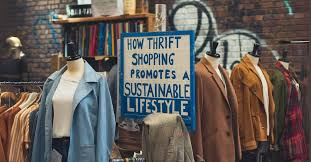
In a world where fast fashion dominates store shelves and online ads, thrift shopping has emerged as a smarter, more sustainable alternative. From scoring designer labels at a fraction of the cost to uncovering one-of-a-kind vintage pieces, thrift shopping is transforming how people build their wardrobes.
Whether you’re browsing at Goodwill Industries, exploring curated racks at The Salvation Army, or using resale platforms like ThredUp and Depop, thrift shopping offers endless opportunities to discover hidden fashion treasures.
Let’s dive into why thrift shopping is the ultimate fashion hack for smart, eco-conscious shoppers.
What Is Thrift Shopping?
Thrift shopping involves purchasing gently used clothing, accessories, and other items at secondhand stores, online resale platforms, or charity shops. Unlike fast fashion retailers, thrift stores sell pre-owned items—often donated—at significantly reduced prices.
But thrift shopping is more than just a way to save money. It’s a lifestyle choice that promotes sustainability, individuality, and mindful consumption.
Why Thrift Shopping Is a Smart Choice
1. Budget-Friendly Fashion
One of the biggest benefits of thrift shopping is affordability. High-quality brands, designer pieces, and even luxury labels can often be found at a fraction of their original retail price.
Instead of paying full price for a trendy jacket, you might find a similar—or even better—version for 70–90% less. This makes thrift shopping perfect for:
- Students on a budget
- Families looking to save
- Fashion lovers who want more for less
2. Sustainable and Eco-Friendly
The fashion industry is one of the largest contributors to environmental pollution. By choosing secondhand clothing, you:
- Reduce textile waste
- Minimize demand for new production
- Lower your carbon footprint
- Help keep clothing out of landfills
Sustainable fashion isn’t just a trend—it’s a responsibility. Thrift shopping supports a circular economy where clothes get a second life instead of being discarded.
3. Unique, One-of-a-Kind Finds
If you’ve ever worried about showing up in the same outfit as someone else, thrift shopping is your solution.
Secondhand stores often carry:
- Vintage clothing from past decades
- Limited-edition pieces
- Retro denim and leather jackets
- Unique accessories
Unlike mass-produced fashion, thrifted items help you create a wardrobe that truly reflects your personality.
The Rise of Online Thrift Shopping
Digital platforms have revolutionized the thrift industry. Apps and websites like Poshmark and eBay allow users to buy and sell pre-loved fashion worldwide.
Online thrift shopping offers:
- Easy price comparisons
- Access to global sellers
- Convenient home delivery
- Advanced search filters for brands and sizes
This shift has made secondhand shopping more accessible and mainstream than ever before.
How to Thrift Shop Like a Pro
Want to uncover the best hidden fashion treasures? Follow these expert thrift shopping tips:
✔ Go in With a Plan
Know what you’re looking for—whether it’s vintage jeans, blazers, or statement accessories.
✔ Check Quality Carefully
Inspect seams, zippers, and fabric condition. Look for natural materials like cotton, wool, and leather for durability.
✔ Visit Regularly
Inventory changes constantly. Frequent visits increase your chances of finding amazing pieces.
✔ Think Creatively
Oversized shirts can become dresses. Men’s sections often hide stylish, relaxed-fit pieces for women. Keep an open mind.
✔ Wash Before Wearing
Always clean thrifted clothing before adding it to your wardrobe.
Thrift Shopping and the Circular Fashion Movement
Thrift shopping aligns perfectly with the growing movement toward conscious consumerism. Instead of contributing to overproduction, secondhand buyers extend the lifecycle of garments.
Fashion influencers, sustainability advocates, and even celebrities have embraced thrift culture as a statement against wasteful consumption. What was once considered “secondhand” is now seen as stylish, responsible, and forward-thinking.
Common Myths About Thrift Shopping
Myth 1: Thrift stores only sell outdated clothes.
Reality: Many items are modern, trendy, and even brand new with tags.
Myth 2: Thrifted clothes are poor quality.
Reality: You can often find premium brands made with better materials than today’s fast fashion.
Myth 3: It takes too much time.
Reality: With practice and online platforms, thrifting becomes efficient and rewarding.
The Financial and Environmental Impact
By choosing thrift shopping over fast fashion, you help:
- Reduce water consumption used in garment production
- Decrease chemical pollution
- Support charitable organizations (many thrift stores fund community programs)
- Save hundreds—or even thousands—of dollars annually
It’s a win-win for your wallet and the planet.
Final Thoughts: Why Thrift Shopping Is the Future of Fashion
Thrift shopping is more than a budget-friendly alternative—it’s a powerful way to express individuality while supporting sustainability. As awareness grows around environmental issues and ethical fashion, secondhand shopping continues to gain momentum.
From browsing racks at local stores to scrolling through curated finds online, thrift shopping opens the door to hidden fashion treasures waiting to be discovered.
If you haven’t tried it yet, now is the perfect time to explore the smart, sustainable world of thrift fashion. Your next favorite outfit might already exist—you just have to find it.