
Why Most Diets Fail
Many popular diets promise rapid results but focus on extreme calorie restriction or cutting out entire food groups. Programs like Keto Diet and Atkins Diet may lead to short-term weight loss, but they can be difficult to sustain long term.
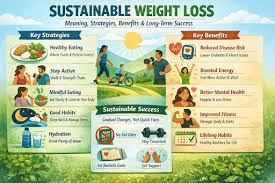
The most effective approach is one that fits your lifestyle, preferences, and schedule. Sustainable weight loss happens when healthy choices become daily habits—not temporary rules.
1. Focus on Whole, Nutrient-Dense Foods
Instead of obsessing over calories alone, prioritize food quality. Whole foods keep you fuller for longer and provide essential nutrients.
What to include:
- Lean proteins (chicken, fish, tofu, eggs)
- Vegetables and fruits
- Whole grains (brown rice, quinoa, oats)
- Healthy fats (avocado, nuts, olive oil)
Why it works: Protein and fiber increase satiety, helping reduce overeating naturally.
2. Practice Portion Control (Without Starving)
You don’t need to eliminate your favorite foods. Instead:
- Use smaller plates
- Eat slowly and mindfully
- Stop eating when you’re 80% full
Mindful eating prevents overconsumption while allowing flexibility—key for long-term success.
3. Move Your Body Consistently
You don’t have to live in the gym. The best workout is one you enjoy and can stick with.
Effective options:
- Strength training 2–4 times per week
- Brisk walking 30 minutes daily
- Cycling, swimming, or dancing
Strength training is particularly important because it builds muscle, which increases metabolism even at rest.
4. Prioritize Sleep and Stress Management
Poor sleep and high stress can disrupt hormones like cortisol, which may promote fat storage.
Tips for better sleep:
- Aim for 7–9 hours nightly
- Keep a consistent sleep schedule
- Avoid screens 1 hour before bed
Stress-reducing practices like yoga, journaling, or deep breathing can also support weight loss.
5. Stay Hydrated
Drinking enough water helps:
- Control hunger
- Boost metabolism slightly
- Reduce sugary drink intake
Try drinking a glass of water before meals—it can naturally reduce calorie intake.
6. Track Progress (But Don’t Obsess)
Tracking can increase awareness and accountability. Apps like MyFitnessPal or devices from Fitbit can help monitor food intake and activity levels.
However, remember:
- The scale fluctuates daily
- Measurements and progress photos matter
- Consistency beats perfection
7. Build Habits, Not Motivation
Motivation fades. Habits last.
Start small:
- Add one vegetable to each meal
- Walk 10 minutes after dinner
- Swap soda for water
When these behaviors become automatic, weight loss becomes easier and more sustainable.
Common Weight Loss Mistakes to Avoid
- Skipping meals
- Drinking calories (soda, sugary coffee)
- Over-restricting favorite foods
- Expecting overnight results
Remember, healthy weight loss typically ranges from 0.5–1 kg (1–2 pounds) per week.
The Bottom Line: Sustainability Wins
The most effective weight loss plan is one you can maintain long term. Instead of chasing extreme diets or quick fixes, focus on:
- Balanced nutrition
- Consistent movement
- Adequate sleep
- Stress management
- Small, repeatable habits
Lasting results come from simple strategies practiced daily—not drastic changes you can’t maintain.
If you’d like, I can also:
- Optimize this article further for specific keywords
- Add meta title & meta description
- Format it for WordPress
- Add FAQ schema for SEO
- Expand it to 1500+ words for higher ranking potential